
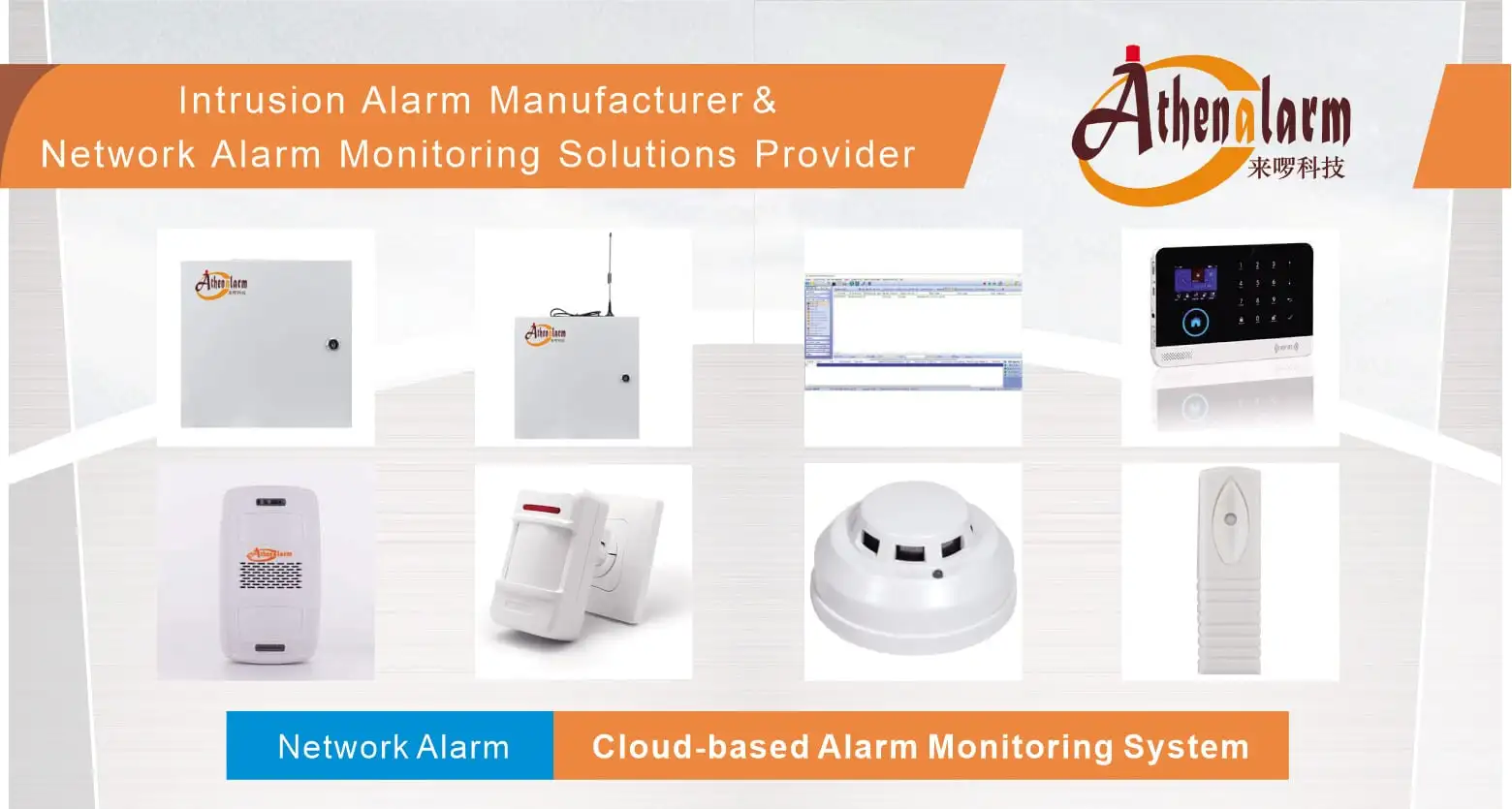
How Motion-Activated Voice Reminder Transforms Burglar Alarm Systems into Proactive, Powerful Intrusion Deterrents
Security technology has never stood still. Over the past decades, I have personally witnessed the evolution of burglar alarm systems—from mechanical locks and standalone sirens to networked intrusion panels, AI-assisted video analytics, and cloud-managed security ecosystems. Yet despite these advances, one structural weakness persisted for years: most burglar alarm systems remained reactive rather than preventive.
A siren sounds after an intrusion has already occurred. A signal reaches a monitoring center after a perimeter has been breached. For modern businesses facing increasing theft, vandalism, liability exposure, and chronic security labor shortages, this delay is no longer acceptable.
This is precisely where the Motion-Activated Voice Reminder fundamentally changes the equation.
1. Why Motion-Activated Voice Reminder Matters in Modern Burglar Alarm Systems
From both a technical and commercial perspective, Motion-Activated Voice Reminder represents a critical evolution in intrusion alarm design. Rather than acting solely as a detection-and-notification mechanism, a Motion-Activated Voice Reminder introduces real-time, audible, humanized intervention at the exact moment motion is detected.
In modern burglar alarm systems, this capability bridges the long-standing gap between detection and deterrence. It transforms alarms from passive responders into active behavioral control tools—capable of influencing intruder decision-making, reducing escalation, and preventing loss before damage occurs. For B2B security buyers and system integrators, this shift delivers measurable improvements in deterrence efficiency, operational cost control, and overall security ROI.
2. Motion-Activated Voice Reminder: A New Standard in Active Deterrence
Before examining the seven proven upgrade paths, it is essential to clarify what a Motion-Activated Voice Reminder truly is—and what differentiates it from traditional alarm sounders.
A Motion-Activated Voice Reminder (MAVR) is an advanced intrusion deterrence device that detects motion and immediately responds with a pre-recorded or live voice message, triggered automatically by environmental or behavioral events. Unlike conventional sirens, MAVRs deliver context-aware, intelligible, and psychologically authoritative audio responses.
From my professional standpoint, a modern Motion-Activated Voice Reminder typically includes:
- PIR or microwave motion detection with adjustable sensitivity and zoning
- Two-way, full-duplex audio for real-time interaction
- Custom voice prompts triggered by time, zone, behavior, or alarm state
- Weather-resistant and vandal-resistant housing for outdoor deployment
- Seamless integration with IP networks, VMS platforms, intrusion panels, and cloud systems
The critical differentiator is psychological impact. When an intruder hears a clear human voice explicitly referencing surveillance, recording, or response escalation, perceived risk rises sharply. In many deployments I have managed, this alone is sufficient to terminate an intrusion attempt without further action.
3. Motion-Activated Voice Reminder: 7 Proven Ways to Upgrade Modern Security Alarms
3.1 From Reactive Alarms to Proactive, Real-Time Verbal Deterrence
Traditional burglar alarms are inherently reactive. They wait for a door contact, motion sensor, or glass-break detector to trigger—then escalate.
A Motion-Activated Voice Reminder fundamentally reverses this logic.
The moment motion is detected, the system can issue an immediate verbal warning such as:
“Warning. You are under active surveillance. Leave the area immediately.”
This intervention occurs before theft, vandalism, or confrontation. Based on real-world deployments, I consistently see lower escalation rates for trespassing, loitering, and after-hours intrusion when voice deterrence is introduced.
Operationally, this delivers three key benefits:
- Incident prevention instead of post-event response
- Reduced false alarm dispatches
- Lower dependence on on-site guards or patrols
Architecturally, MAVRs are often deployed as pre-alarm deterrence layers, sitting between detection and full alarm escalation.
3.2 Customizable, Branded, and Multilingual Messaging That Drives Compliance
One of the most underestimated strengths of Motion-Activated Voice Reminder systems is content control.
Unlike generic sirens, MAVRs allow organizations to deploy custom voice messaging aligned with brand identity, site rules, and local culture. Messages are typically uploaded in MP3 or WAV formats and can be modified remotely.
Best-practice deployments usually include:
- Brand-consistent tone and language
- Multilingual messaging for diverse environments
- Scenario-based prompts (time-of-day, access status, threat level)
This customization improves:
- Behavioral compliance
- Message clarity
- Professional perception of the security system
From a marketing and procurement perspective, branded voice deterrence also reinforces corporate credibility and operational maturity.
3.3 Seamless Integration with IoT, AI Surveillance, and Alarm Ecosystems
A Motion-Activated Voice Reminder is not a standalone device. In modern architectures, it functions as a networked deterrence node.
I routinely integrate MAVRs with:
- AI-powered video surveillance
- Networked intrusion control panels
- Access control systems
- Smart city and critical infrastructure platforms
AI analytics can determine whether motion is human, vehicle, or animal—triggering voice alerts only when appropriate. Authorized access events can suppress voice output, while unauthorized behavior escalates automatically.
This integration improves:
- Situational awareness
- Response accuracy
- System-wide efficiency
Technically, MAVRs support IP networking, relay I/O, APIs, and PoE, simplifying deployment.
3.4 Touchless Communication for High-Traffic and Post-Pandemic Environments
The post-pandemic shift accelerated demand for touchless communication. Motion-Activated Voice Reminders align naturally with this requirement.
Common use cases include:
- Visitor instructions without signage
- Safety reminders in public spaces
- Reduced reliance on human intervention
This reduces liability exposure, human error, and staffing pressure—making touchless voice communication a permanent design principle rather than a temporary solution.
3.5 Real-Time Situational Intelligence via Zone-Based Voice Logic
Advanced Motion-Activated Voice Reminder systems deliver precision, not noise.
Voice logic can be mapped to:
- Specific zones
- Defined schedules
- Threat severity thresholds
Messages may escalate progressively, enabling graduated deterrence rather than immediate alarm fatigue. For operators, this reduces cognitive load and improves decision-making speed.
3.6 AI-Driven Voice Logic and Cloud-Based Centralized Management
The future of Motion-Activated Voice Reminder technology is cloud-managed and AI-enhanced.
Modern platforms support:
- Behavioral analysis to select optimal messaging
- Dynamic tone adjustment based on threat level
- Centralized content management across multiple sites
This enables scalable deployment for enterprises managing dozens or hundreds of locations and forms the foundation for Voice-as-a-Service (VaaS) models.
3.7 Measurable Business ROI Through Prevention, Automation, and Brand Value
For B2B buyers, Motion-Activated Voice Reminder systems deliver ROI through:
- Reduced theft and vandalism
- Lower false alarm rates
- Decreased guard and patrol costs
- Improved compliance and safety outcomes
In many commercial deployments, payback occurs within three to six months. Beyond financial return, MAVRs enhance customer experience, brand authority, and stakeholder confidence.
4. How Motion-Activated Voice Reminder Technology Works
MAVRs operate through a coordinated chain of detection, logic, communication, and response.
Motion is detected via PIR or microwave sensors. Logic rules determine which message plays, at what volume, and with what priority. Advanced systems support hundreds of messages, zone-based playback, and two-way audio with monitoring centers.
Power and connectivity options include PoE, DC, Wi-Fi, LAN, and solar—ensuring deployment flexibility.
5. Challenges, Compliance, and Best-Practice Deployment
Common challenges include environmental noise, alert fatigue, and privacy regulations.
Professional mitigation strategies include:
- Directional speakers and weatherproof enclosures
- Message rotation and trigger rate control
- Clear signage and regulatory compliance
A disciplined deployment process—site evaluation, content strategy, optimized installation, testing, and integration—is essential.
6. Conclusion: The Future of Burglar Alarms Is Proactive—and It Speaks
Motion-Activated Voice Reminders redefine the role of burglar alarm systems. They transform security from a silent observer into an active, intelligent deterrence layer.
As AI, cloud platforms, and behavioral analytics mature, Motion-Activated Voice Reminder technology will become a core component of next-generation intrusion systems.
From my professional perspective, the future of burglar alarms is no longer reactive.
It is proactive, intelligent—and it speaks.
7. FAQ
What is a Motion-Activated Voice Reminder in a burglar alarm system?
A Motion-Activated Voice Reminder is a voice-enabled security device that delivers real-time audible warnings when motion is detected, enhancing deterrence before escalation.
How does Motion-Activated Voice Reminder reduce false alarms?
By issuing verbal warnings first, many incidents resolve without full alarm escalation or dispatch.
Can Motion-Activated Voice Reminder integrate with existing alarm panels?
Yes. Most systems support IP, relay, and API integration with modern intrusion panels.
Is Motion-Activated Voice Reminder suitable for outdoor environments?
Professional-grade units are weatherproof, vandal-resistant, and designed for outdoor use.
Does Motion-Activated Voice Reminder support multilingual messaging?
Yes. Multilingual and site-specific voice prompts are a core feature.
How does Motion-Activated Voice Reminder improve ROI?
It reduces theft, false dispatches, and labor costs while improving deterrence effectiveness.
Are Motion-Activated Voice Reminder systems compliant with privacy laws?
Yes, when deployed with proper signage and configured according to local regulations.
Can voice messages be updated remotely?
Cloud-managed systems allow centralized, remote updates across multiple locations.
