
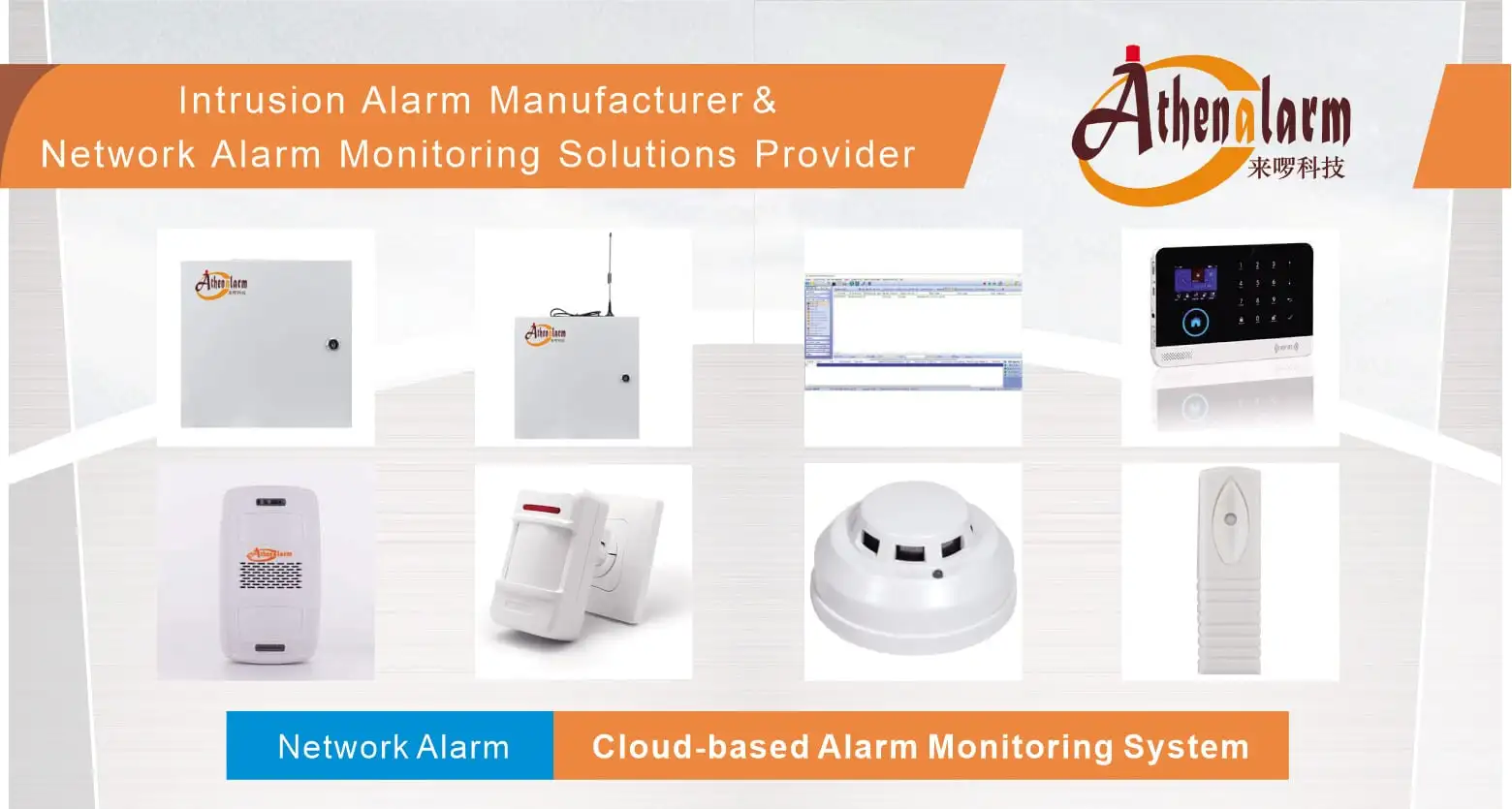
How to Powerfully Upgrade Burglar Alarm Systems with Automated Activated Voice Reminders for Real-Time Threat Deterrence
Introduction: Why Traditional Alarms Are No Longer Enough in Modern Security Operations
From my years of hands-on experience designing, deploying, and optimizing burglar alarm systems for commercial and industrial environments, I have seen one reality repeat itself: traditional alarm-only deterrence is no longer sufficient.
Modern businesses operate in highly dynamic environments—multi-entry facilities, distributed warehouses, 24/7 logistics operations, hybrid workforces, and increasingly sophisticated intrusion behaviors. Yet many burglar alarm systems still depend on passive responses such as sirens, flashing lights, or delayed notifications to monitoring centers.
In real-world security operations, these legacy approaches often fail at the most critical moment. They make noise, but they do not communicate. They react, but they do not guide behavior. And in many cases, they escalate situations unnecessarily through false alarms, wasted dispatches, and delayed human decision-making.
Why Automated Activated Voice Reminder Is a Game-Changer
This is exactly where the Automated Activated Voice Reminder fundamentally changes the effectiveness of a burglar alarm system.
An Automated Activated Voice Reminder is not just an audio add-on—it is a real-time behavioral intervention layer embedded into modern burglar alarm architecture. By delivering immediate, context-aware voice messages when a security event is detected, an Automated Activated Voice Reminder actively deters intruders, guides occupants, verifies intent, and escalates responses only when necessary.
In practical terms, this means burglar alarms evolve from passive alert mechanisms into intelligent, interactive security systems capable of stopping threats before they escalate. For B2B security buyers and system integrators, Automated Activated Voice Reminder technology represents one of the highest-impact upgrades available today—both operationally and financially.
In this article, I will break down 7 proven ways Automated Activated Voice Reminders dramatically boost burglar alarm efficiency, drawing directly from real-world deployments, integration strategies, operational workflows, ROI data, and future-ready optimization models.
1. Understanding Automated Activated Voice Reminders and Their Business Value
1.1 What Is an Automated Activated Voice Reminder?
From a system design perspective, an Automated Activated Voice Reminder (AAVR) is a logic-driven communication module that connects detection events to automated verbal responses.
Unlike traditional sirens, AAVRs are:
- Event-triggered
- Context-aware
- Policy-driven
- Fully integrable with alarm panels, sensors, video systems, and monitoring platforms
In real deployments, an Automated Activated Voice Reminder may activate when:
- Motion is detected after hours
- A door is forced open
- A perimeter breach occurs
- Loitering behavior is identified
- Restricted-area access rules are violated
Once triggered, the system delivers pre-configured or AI-generated voice messages that are calm, authoritative, and aligned with the organization’s security policy.
1.2 How Automated Activated Voice Reminders Work Inside a Burglar Alarm System
From an operational standpoint, AAVRs follow a clear, layered workflow:
Trigger Detection
Signals originate from motion detectors, door contacts, glass break sensors, video analytics, or access control violations.
Immediate Voice Intervention
The Automated Activated Voice Reminder broadcasts a specific message such as:
“Unauthorized access detected. This area is monitored. Please exit immediately.”
Escalation Logic
If behavior continues, the system automatically escalates—activating sirens, notifying security staff, sending alerts to monitoring centers, or initiating emergency response protocols.
This layered deterrence model significantly increases the effectiveness of burglar alarm systems while reducing unnecessary escalation.
2. Real-Time Verbal Deterrence That Stops Threats Before Escalation
One of the most powerful advantages of an Automated Activated Voice Reminder is real-time behavioral influence.
In my field experience, a clear verbal warning delivered within seconds often stops an intrusion immediately—without sirens, without dispatch, and without damage.
2.1 Why Voice Works Better Than Noise
- Sirens signal something happened
- Voice messages explain what is happening and what action is required
This distinction dramatically improves deterrence effectiveness, especially in after-hours intrusions, perimeter breaches, and retail theft scenarios.
3. Context-Aware Guidance That Reduces Confusion and Response Delays
Traditional alarms create ambiguity. Occupants, visitors, or even staff may not understand:
- Why the alarm triggered
- What they should do
- Whether the situation is real
Automated Activated Voice Reminders eliminate this uncertainty by delivering clear, scenario-specific guidance, such as:
- “This exit is closed. Please use the main entrance.”
- “Safety violation detected. Please step away from the restricted zone.”
- “Emergency detected. Please evacuate immediately.”
This capability is especially valuable in healthcare, education, logistics, and mixed-use facilities.
4. Reducing False Alarms and Unnecessary Interventions
False alarms are one of the biggest cost drains in burglar alarm operations.
By using Automated Activated Voice Reminder logic as a verification layer, systems can:
- Deter benign activity without dispatch
- Filter out accidental triggers
- Reduce alarm fatigue for monitoring personnel
In multiple deployments I have reviewed, AAVRs reduced false alarm dispatches by 30–60%, improving trust with authorities and lowering operational costs.
5. Seamless Integration with Modern Burglar Alarm Ecosystems
A major advantage of Automated Activated Voice Reminder technology is its integration flexibility.
AAVRs integrate seamlessly with:
- Burglar alarm panels
- CCTV and video analytics
- Access control systems
- Cloud-based monitoring platforms
- Mobile alert and reporting tools
This allows organizations to upgrade existing systems rather than replace them—preserving prior investments while significantly increasing system intelligence.
6. Industry-Specific Optimization Across Real-World Scenarios
6.1 Retail and Commercial Properties
- Verbal deterrence reduces theft and loitering
- Automated instructions improve evacuation safety
6.2 Warehouses and Logistics
- Safety reminders reduce accidents
- Compliance messaging lowers liability exposure
6.3 Corporate and High-Security Facilities
- After-hours perimeter enforcement
- Reinforced access control policies
6.4 Healthcare and Education
- Visitor guidance
- Lockdown and emergency communication support
7. Measurable ROI and Long-Term Scalability
From a procurement perspective, Automated Activated Voice Reminder systems deliver measurable ROI through:
- Reduced staffing requirements
- Fewer false alarm penalties
- Improved incident prevention
- Extended system lifespan
In one logistics facility I evaluated:
- Unauthorized access incidents dropped by 35%
- Safety violations decreased by 50%
- Security team efficiency improved by 25%
Most organizations achieve full ROI within 12–24 months, making AAVRs a strategic—not experimental—investment.
Conclusion: The Strategic Value of Automated Activated Voice Reminders
Automated Activated Voice Reminders represent a decisive evolution in burglar alarm systems. They transform alarms from passive alert tools into proactive, intelligent deterrence platforms.
Across real-time deterrence, operational efficiency, false alarm reduction, integration flexibility, and future scalability, Automated Activated Voice Reminder technology consistently delivers measurable security and business value.
For B2B buyers, system integrators, and security leaders, upgrading burglar alarm systems with Automated Activated Voice Reminders is no longer optional—it is a strategic necessity.
FAQ Section
1. What is an Automated Activated Voice Reminder in a burglar alarm system?
An Automated Activated Voice Reminder is a voice-based security module that delivers real-time, event-triggered verbal messages to deter intrusions and guide behavior.
2. How does an Automated Activated Voice Reminder reduce false alarms?
By verifying intent through voice interaction, it filters benign activity before escalation or dispatch.
3. Can Automated Activated Voice Reminders integrate with existing burglar alarms?
Yes, most AAVRs integrate seamlessly with modern alarm panels, sensors, and monitoring platforms.
4. Are Automated Activated Voice Reminders suitable for commercial facilities?
They are ideal for retail, warehouses, offices, healthcare, education, and high-security environments.
5. Do Automated Activated Voice Reminders replace security staff?
No, they optimize staff efficiency by handling routine deterrence and verification tasks.
6. How quickly can ROI be achieved with Automated Activated Voice Reminder systems?
Most deployments achieve ROI within 12–24 months through cost savings and incident reduction.
7. Are Automated Activated Voice Reminders compliant with security standards?
When properly deployed, they comply with commercial security, monitoring, and alarm regulations.
8. Can voice messages be customized for different scenarios?
Yes, messages can be fully customized by event type, location, time, and policy.
